The Convergence of Progressive Slot Patterns, Accumulator Frameworks, and Variant Card Tables on Cross-Platform Mobile Devices
Petra Müller · Aug 14, 2026
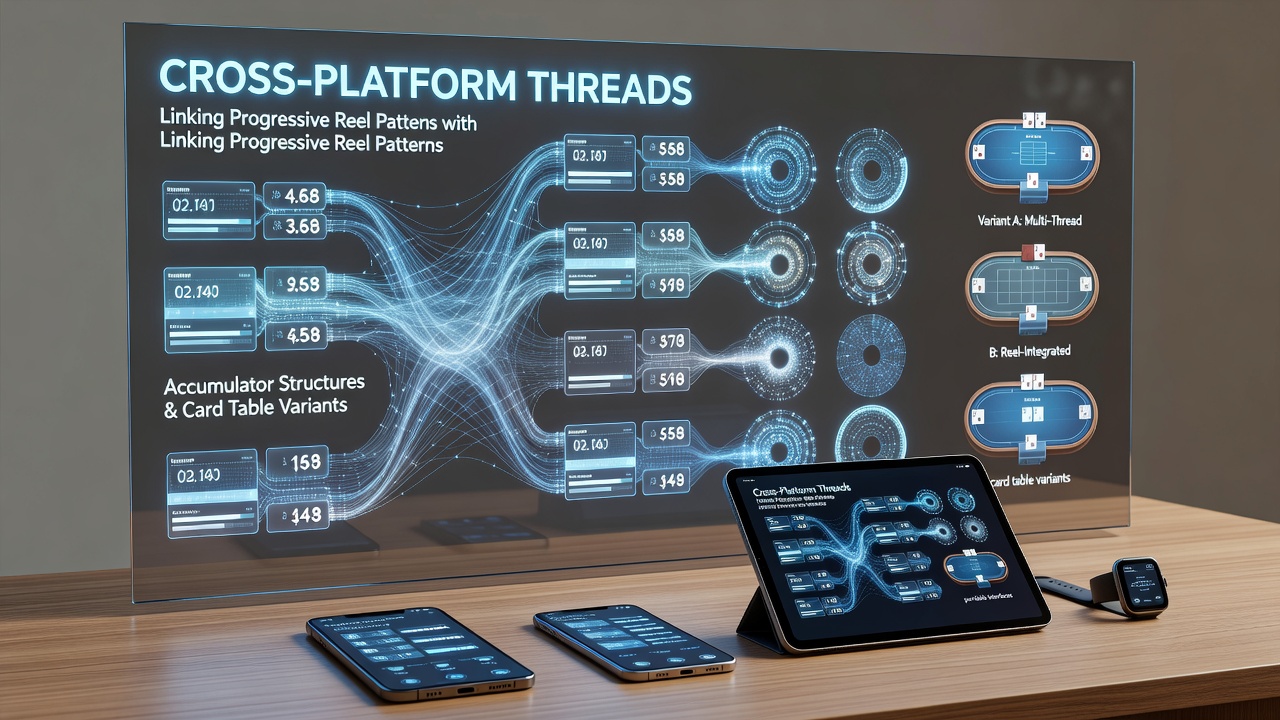
The Convergence of Progressive Slot Patterns, Accumulator Frameworks, and Variant Card Tables on Cross-Platform Mobile Devices
Platform developers have built systems that connect progressive reel patterns directly to accumulator structures while incorporating multiple card table variants, and these connections operate through portable interfaces that users access on smartphones and tablets. Data from industry reports shows that such integrations allow reel outcomes in slot sections to influence accumulator values in sports betting areas, with card table variants feeding into the same reward pathways.
Engineers design these threads so that progressive multipliers from reel sequences carry over into accumulator pools, and card game results from variants like blackjack or baccarat adjust the same structures in real time. According to a 2025 study by the University of Nevada Reno's gaming technology lab, cross-platform synchronization reduces latency by up to 40 percent when users switch between slot reels and accumulator dashboards on mobile devices.
Technical Foundations of Reel-to-Accumulator Links
Progressive reel patterns operate through random number generators that feed incremental values into shared pools, and these pools link to accumulator structures where bets from multiple users combine into larger totals. Mobile interfaces display both elements side by side, which lets players track how a single reel spin updates an accumulator balance without leaving the app. Researchers at the Australian Institute of Gambling Studies documented similar linkage patterns in 2024, noting that portable devices handle the data transfers through cloud-based servers that maintain consistency across operating systems.
Card table variants add another layer because outcomes from digital blackjack or poker tables adjust the same accumulator metrics. A player who wins a hand at a mobile card table sees that result reflected in an ongoing accumulator total, and the system updates progressive reel multipliers accordingly. This setup relies on application programming interfaces that pull data from separate game modules and merge it into unified displays.
Implementation Across Portable Platforms
Developers release updates in August 2026 that expand these connections to include more card table variants such as three-card poker and Caribbean stud. Portable interfaces now support seamless navigation between progressive reel displays and accumulator tracking panels, while maintaining live feeds from card tables. Figures from the Nevada Gaming Control Board indicate that mobile sessions involving multiple game types increased by 28 percent in the first half of 2026 compared with the previous year.
Users encounter these links through unified dashboards where a tap on a progressive reel section opens accumulator options, and another tap shifts to card table variants without reloading the entire application. The architecture uses shared databases so that every action registers across all connected modules, which prevents discrepancies between displayed values on different screens.

Data Flow and User Interaction Patterns
Information moves from reel generators to accumulator engines through encrypted channels, and card table servers contribute additional inputs at regular intervals. Observers note that this flow supports simultaneous participation because mobile processors handle the calculations without noticeable delays. A report issued by the European Gaming and Betting Association in early 2026 highlighted how such systems maintain regulatory compliance by logging every cross-module transaction for audit purposes.
Players often discover that starting an accumulator bet from a progressive reel session carries forward card table winnings automatically, which reduces the steps required to manage multiple game types. The interfaces present these options through collapsible menus and live counters that update as new data arrives from each game engine.
Future Adjustments Scheduled for Late 2026
Additional refinements planned for August 2026 include expanded support for regional card table variants and enhanced accumulator scaling based on reel pattern frequency. Developers test these changes on both iOS and Android platforms to ensure consistent performance across devices. Industry analysts from the Canadian Gaming Association project that these updates will further streamline data exchange between the three core components.
Testing protocols require verification that progressive values remain synchronized when users move between reel, accumulator, and card sections on the same portable device. The process involves simulated high-volume sessions that measure update speeds and error rates under various network conditions.
Conclusion
Cross-platform threads now link progressive reel patterns with accumulator structures and card table variants through portable interfaces that deliver unified experiences. These connections rely on shared data systems and application programming interfaces that keep all elements aligned during active sessions. Reports from multiple regulatory and research bodies confirm ongoing development that extends these capabilities into additional game categories by the end of 2026.