Mapping Interconnected Reward Networks From Mobile Onboarding to Ongoing Platform Engagement in Gaming Environments
Bianca Braun · Nov 20, 2026
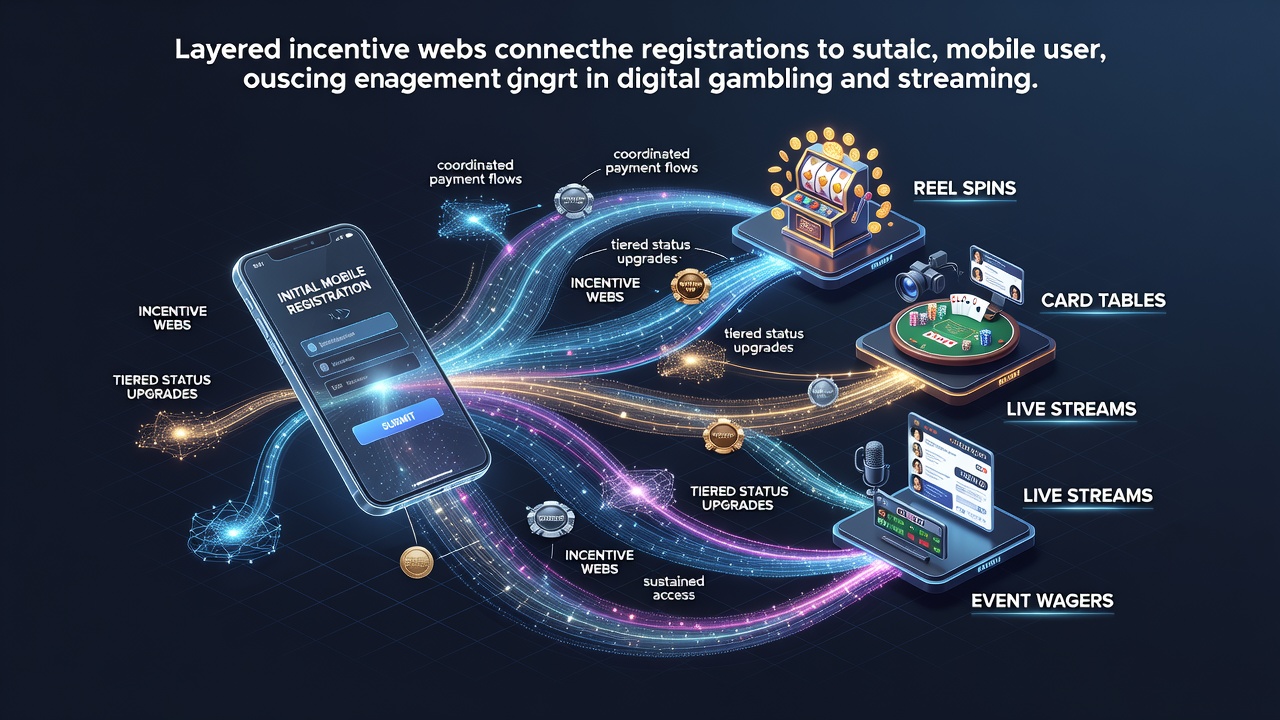
Mapping Interconnected Reward Networks From Mobile Onboarding to Ongoing Platform Engagement in Gaming Environments
Operators structure incentive systems that begin with straightforward mobile registrations and extend through coordinated payment mechanisms into sustained participation across slot reels, card tables, live dealer streams, and sports wagers. These networks rely on sequential triggers where initial sign-ups activate entry-level promotions that require deposits to unlock further tiers, while data tracking monitors activity levels to determine eligibility for status upgrades. Research from the American Gaming Association indicates that mobile platforms account for over 60 percent of new accounts in regulated markets, with payment flows serving as the primary connectors between onboarding and repeated engagement.
Registration Triggers and Early Incentive Layers
Users complete mobile registrations that capture basic details and grant immediate access to welcome packages, often structured as deposit matches or free spins on selected reel titles. These entry points feed into broader webs because operators link them to payment processors that record transaction velocity and amounts. Once a deposit clears, systems automatically credit additional bonuses that apply across game categories, creating pathways from slots into table games without separate registration steps. Observers note that such designs encourage movement between verticals since one account maintains unified progress tracking.
Payment Coordination and Bonus Activation Sequences
Coordinated payment flows operate through integrated gateways that process deposits in real time and trigger tiered rewards based on cumulative volume. A single transaction can activate promotions that span live streams and event wagers, while subsequent deposits compound status points. Data from the Australian Gambling Research Centre shows average session lengths increase when payment confirmation links directly to multi-game bonus eligibility. Systems log each flow to adjust reward multipliers, ensuring that higher deposit frequencies accelerate progression toward mid-level tiers that unlock cashback or exclusive event access.
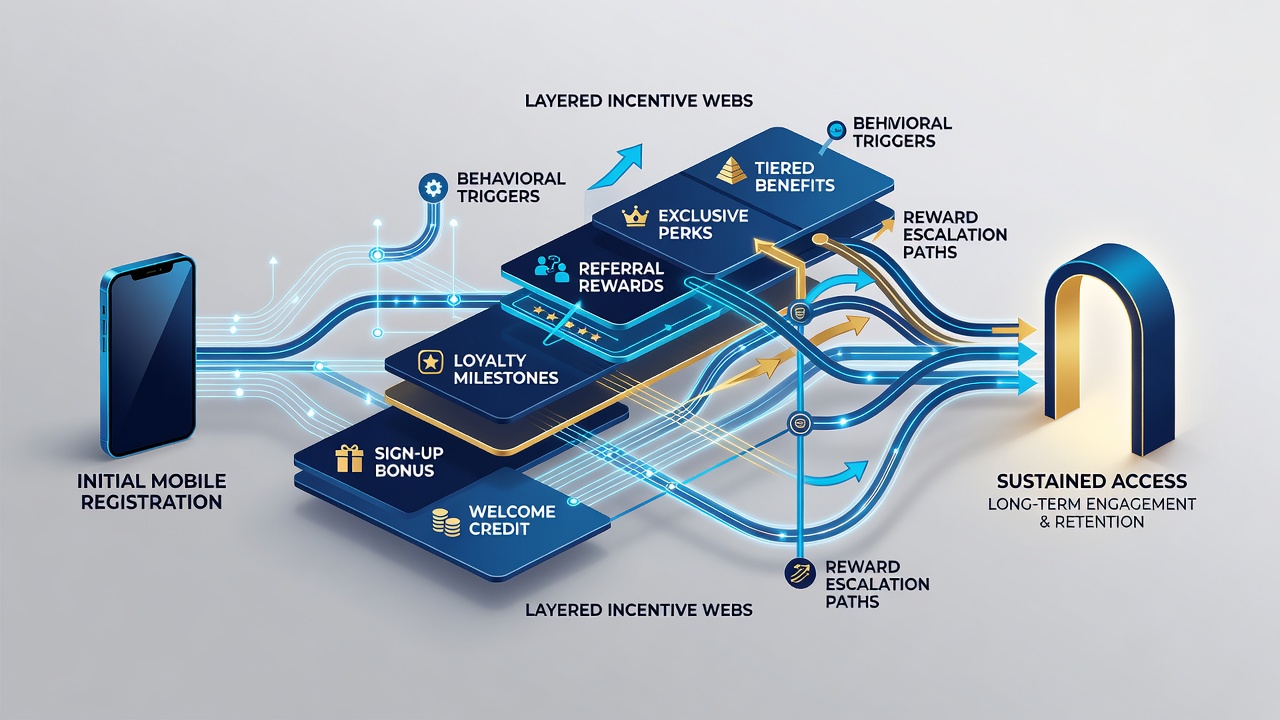
Tiered Status Upgrades and Cross-Platform Continuity
Tiered upgrades function as milestones that convert initial activity into persistent access rights. Bronze levels typically require modest deposit thresholds and grant basic reload bonuses, whereas silver and gold tiers demand combined play across reels, tables, and sports markets. Advancement unlocks dedicated live stream privileges and higher wager limits on event futures. Reports from the Canadian Gaming Association highlight that operators refresh these structures quarterly to align with seasonal sports calendars, maintaining engagement momentum through updated point multipliers that reward consistent cross-category participation.
November 2026 Platform Adjustments and Integration Trends
Industry updates scheduled for November 2026 include expanded API connections between payment processors and loyalty engines, allowing real-time status adjustments during live dealer sessions. These changes build on existing frameworks by incorporating additional data points from accumulator bets and progressive jackpot pursuits. External analyses from the European Gaming and Betting Association indicate that such enhancements reduce friction between registration and elite access, with operators reporting measurable lifts in retention metrics when payment and tier systems operate in tighter synchronization.
Sustained Access Through Layered Incentive Maintenance
Long-term participation depends on renewal mechanisms that reset or extend bonuses based on ongoing payment activity and play volume. Users who maintain monthly deposit minimums retain access to personalized live stream invitations and sports market exclusives. Systems monitor engagement patterns to deliver targeted upgrades, preventing status lapses that could interrupt access across all game types. This continuity model connects early registration incentives with multi-year participation because each payment reinforces the entire network rather than isolated segments.
Conclusion
These interconnected structures demonstrate how operators coordinate registrations, payments, and tiers to support continuous movement between reel spins, card tables, live streams, and event wagers. The resulting networks prioritize seamless progression while maintaining distinct requirements for each status level.